

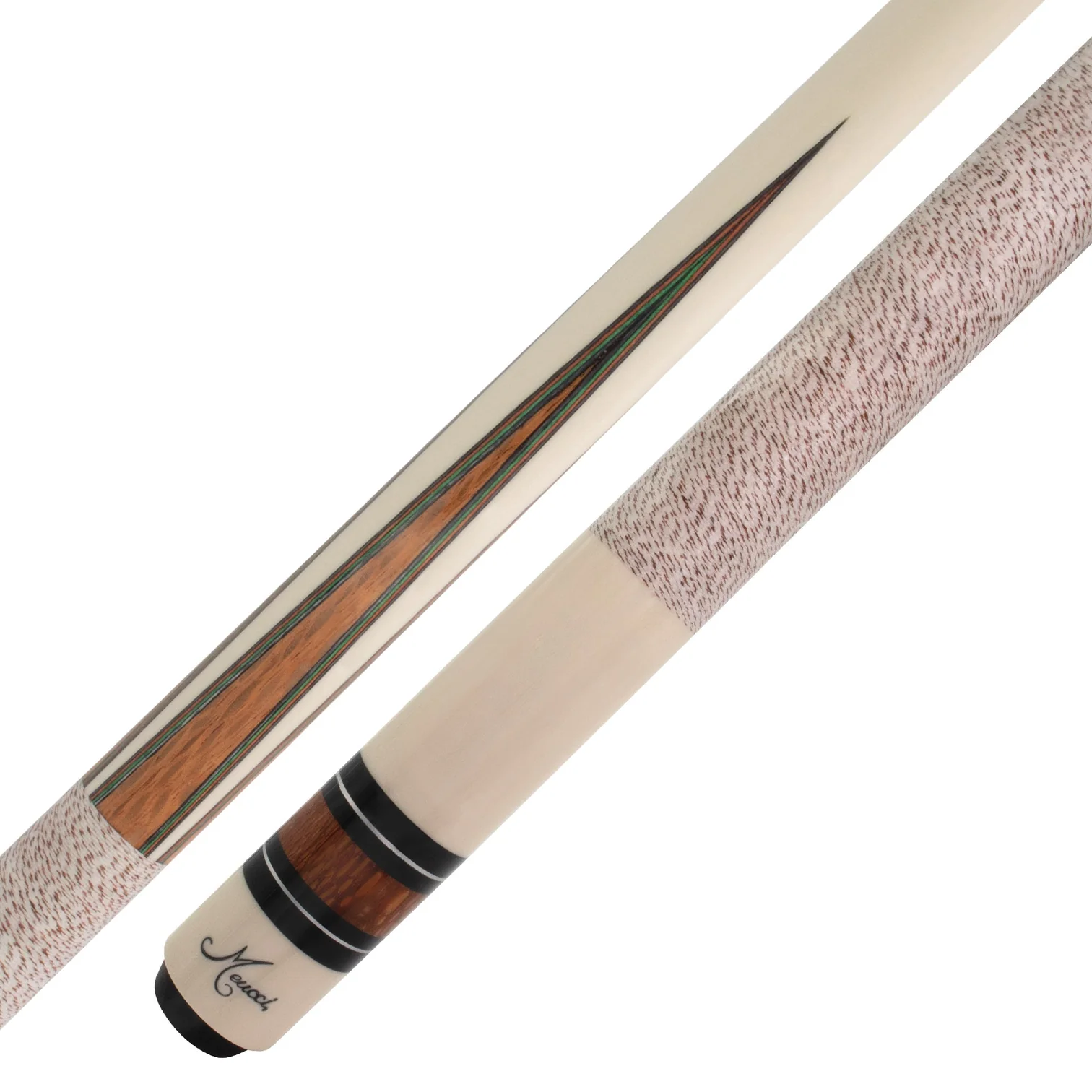
A good cue is an investment, and like any precision tool, it plays its best when it’s looked after. The good news: cue maintenance takes only a few minutes and almost no special gear. Build these small habits and your cue will stay smooth, straight, and accurate for years — here’s the simple routine.
Why Cue Care Matters
Every time you play, your hands transfer oil, chalk, and dirt onto the shaft. Left alone, that builds into a sticky grime that drags on your bridge hand and throws off your stroke. Add humidity and rough handling, and a neglected cue can warp or lose its tip. A few minutes of care keeps the cue feeling fast and consistent — exactly how it played the day you bought it.
After Every Session: Wipe It Down
The single most valuable habit is the quickest. After you play, wipe the shaft down with a clean, dry, lint-free cloth (microfiber is ideal). This lifts off the chalk dust and skin oils before they have a chance to set. Thirty seconds now saves a deep clean later.
Caring for the Tip
The tip is where everything happens — it’s the only part of the cue that touches the ball. Two simple jobs keep it doing its job:
- Scuff and shape it. A tip needs a slightly rounded, lightly textured surface to hold chalk. Use a dedicated tip tool or scuffer to keep a gentle dome and a bit of “tooth.” A glassy-smooth tip won’t grip chalk and leads to miscues.
- Chalk properly. Brush the chalk on in light strokes to cover the tip evenly — don’t grind it like you’re sharpening a pencil. Even coverage is what prevents miscues, not the amount.
When a tip becomes hard, glazed, or mushroomed (spread wider than the ferrule), it’s time to replace it. A worn tip is the most common hidden cause of inconsistent play.
Cleaning and Burnishing the Shaft
Every so often — every few weeks for regular players — give the shaft a deeper clean. Wipe it down with a barely-damp cloth to lift built-up grime, then dry it immediately and let any moisture evaporate. Follow up by burnishing: rub the shaft briskly with a dry cloth or a leather/burnishing pad to seal the wood and restore that fast, slick glide.
A word of caution: go easy. Don’t soak the shaft in water, and avoid aggressive sandpaper — over-sanding removes wood and permanently thins the shaft. Light, occasional care beats heavy scrubbing every time.
Storage: Where Cues Live or Die
More cues are ruined by bad storage than by play. Wood reacts to heat and humidity, and a cue left leaning in a corner will slowly bow. To keep yours straight:
- Use a cue case. The simplest protection against knocks, dust, and humidity swings.
- Store it vertically or flat. A proper rack (vertical) or lying flat keeps the shaft true. Never leave it leaning against a wall for long periods.
- Avoid extremes. Keep it out of hot car trunks, damp basements, and direct sunlight — all of which warp wood.
A quality cue case and care accessories pay for themselves the first time they save your shaft.
When to Call a Pro
Some jobs are best left to a cue technician: replacing a tip if you’re not confident doing it yourself, fixing a lifting ferrule, or straightening a shaft that’s developed a slight bow. These are inexpensive repairs that can bring a struggling cue right back to life — well worth it before you assume a cue is finished.
The Two-Minute Routine, Recapped
- After every game: wipe the shaft with a dry cloth.
- Every session: check the tip holds chalk; scuff lightly if needed.
- Every few weeks: deep-clean and burnish the shaft.
- Always: store it cased, flat or vertical, away from heat and damp.
That’s it. A cue that’s cared for plays better and lasts longer — and feels like an old friend every time you pick it up. Shopping for a new one? Browse our professional pool cues and the accessories to keep them in top form.
FAQs
How often should I clean my pool cue?
Wipe the shaft with a dry cloth after every session, and do a deeper clean-and-burnish every few weeks if you play regularly. Light, frequent care is better than occasional heavy scrubbing.
How do I stop my cue from miscuing?
Keep the tip lightly scuffed so it holds chalk, and chalk evenly with light strokes before key shots. A glazed, smooth tip is the usual cause of miscues — scuff it or replace it if it’s worn.
Can I use sandpaper on my cue shaft?
Only very lightly and rarely. Aggressive sanding removes wood and permanently thins the shaft. For routine care, a dry cloth and burnishing pad are safer and more effective.
How should I store my cue?
In a cue case, stored vertically in a rack or lying flat, away from heat, direct sun, and humidity. Never leave it leaning against a wall, as this can warp the shaft over time.